

The hidden forces of psychology in gambling behaviors
The Role of Cognitive Biases in Gambling
Cognitive biases play a significant role in shaping gambling behaviors. One common bias is the illusion of control, where individuals believe they can influence the outcome of random events. This perception can lead players to make irrational decisions, such as increasing their bets when they feel lucky. For example, in games like the Aviator betting game, players may think they can predict when to cash out based on their past experiences, despite the randomness of each round. For more details about this thrilling experience, visit https://wickedlyromance.com/.
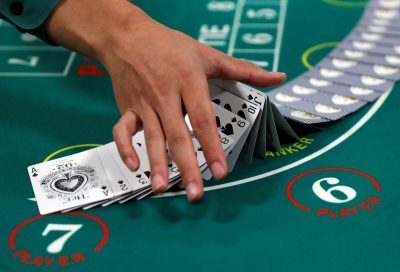
Another prevalent cognitive bias is the gambler’s fallacy, which refers to the mistaken belief that past outcomes affect future results. Gamblers often think that if a particular number hasn’t come up recently, it is due to appear soon. This mindset can lead to excessive betting and poor financial decisions, as players chase losses or anticipate a win based on flawed reasoning. Understanding these biases can help individuals recognize their limitations and improve their betting strategies.
Moreover, the concept of near-misses can be particularly impactful in gambling environments. When players almost win—such as a plane in the Aviator game nearly reaching a cash-out point—they often feel a surge of excitement, which can motivate them to continue betting. This emotional response can create a cycle of risk-taking, leading gamblers to persist despite negative outcomes, further reinforcing their biases and leading to potential addiction.
The Impact of Emotional Responses on Betting Behavior
Emotional responses are crucial in influencing how individuals engage with gambling. When players experience high levels of excitement or stress, their decision-making abilities can be compromised. For instance, a player may feel elated after a series of wins in the aviator game online, prompting them to wager larger amounts to chase the high. Conversely, a string of losses can evoke frustration, leading to impulsive decisions driven by the desire to recover losses quickly.
This emotional rollercoaster is particularly relevant in online gambling environments, where the immediate feedback from games can heighten emotional reactions. In contrast, offline gambling may provide a more tempered experience, as the physical environment and social interactions may influence a player’s state of mind. However, both formats can lead to similar emotional responses, which can cloud judgment and lead to further gambling despite previous losses.
Moreover, the role of dopamine—the brain’s reward chemical—cannot be overlooked. Winning in gambling activates the brain’s reward pathways, reinforcing the behavior. This biological response can lead to a cycle of seeking out gambling experiences to achieve that ‘high’ again. Understanding the emotional and physiological aspects of gambling can help players become more aware of their reactions and make more informed decisions regarding their betting habits.
Social Influences and Gambling Behavior
Social dynamics significantly impact gambling behaviors, as individuals often look to peers for cues and validation. Social influences can manifest in various ways, from peer pressure to online community engagement. For example, players may engage in the aviator bet because their friends are participating, leading them to adopt similar behaviors without fully assessing their own motivations or financial situations.
The role of social media and online platforms has also transformed how individuals approach gambling. Online communities often share strategies, success stories, and tips that can sway newcomers into participating, regardless of the inherent risks involved. This environment can create a sense of belonging, but it can also lead to unhealthy gambling habits as individuals may feel compelled to keep up with others’ successes.
Additionally, the normalization of gambling in various cultures can further exacerbate these social influences. As gambling becomes more mainstream, individuals may underestimate the risks involved and engage in reckless behaviors. Understanding the social context of gambling can help individuals recognize the influence of their surroundings and make more deliberate choices regarding their betting habits.
The Influence of Marketing and Gamification on Gambling Behaviors
Marketing strategies and gamification techniques have become increasingly prevalent in the gambling industry, significantly influencing player behaviors. Online casinos often use colorful graphics, enticing promotions, and interactive elements to capture players’ attention and encourage longer engagement. The aviator game, for instance, incorporates elements of suspense and quick decision-making, appealing to players’ desire for thrill and immediate gratification.
Moreover, the use of rewards and loyalty programs in online gambling platforms can create a sense of urgency and addiction. When players are rewarded for their participation, they may feel encouraged to continue playing to unlock additional benefits. This strategy can lead to prolonged gambling sessions, even when players experience losses, as they chase the next reward. Understanding these marketing tactics is essential for players to mitigate their impact on their gambling behaviors.
Additionally, the psychological principles behind gamification—such as achieving milestones and earning rewards—play into players’ natural inclinations. These elements can lead to increased engagement and spending, as players seek to master the game and achieve recognition. By recognizing how marketing and gamification can manipulate emotions and decision-making, players can better navigate their gambling experiences.
Understanding Responsible Gambling Practices at Aviator Game Canada
Canada emphasizes the importance of responsible gambling practices to ensure a safe and enjoyable experience for all players. The site provides valuable resources, including tips on setting budgets and recognizing warning signs of problematic gambling behavior. By promoting awareness and education, players can engage with games like the aviator game in a healthier manner, making informed decisions about their bets.
Moreover, the community aspect of Canada encourages players to share their experiences and strategies, fostering a culture of support and accountability. This approach allows individuals to learn from one another while remaining conscious of the psychological factors that can influence their gambling decisions. By participating in discussions about responsible gaming, players can gain insights and develop better habits.
Ultimately, understanding the hidden psychological forces at play in gambling can empower players to take control of their behaviors. By recognizing cognitive biases, emotional responses, social influences, and the impact of marketing, individuals can navigate the world of gambling more mindfully. Canada is dedicated to creating a safe environment for players, where they can enjoy thrilling games while prioritizing their well-being.
[popup_anything id="11217"]